
The true cost of swimming pool maintenance
- 03 August 2026|
- News
Have you been asking yourself ‘how much does it cost to maintain a swimming pool?’ If so, there is no single figure that applies to every pool. The true cost depends on several factors, including whether the pool is for domestic or commercial use, its size, usage and heating system.
If keeping maintenance costs low is a priority, there are ways that you can do so. These include choosing an energy-efficient pump, an effective thermal cover and well-maintained filtration system, which can all make a notable difference to ongoing expenses. You also need to account for chemicals, water treatment, pool cleaning, servicing, equipment inspections and, for outdoor pools, seasonal opening and closing.
Commercial pool costs can be considerably higher because usage, water quality, heating requirements and operational responsibilities are greater.
At Signature Pools, we design, build and maintain swimming pools for residential and commercial clients across the South West. Here is what pool owners should consider when budgeting for long-term ownership.
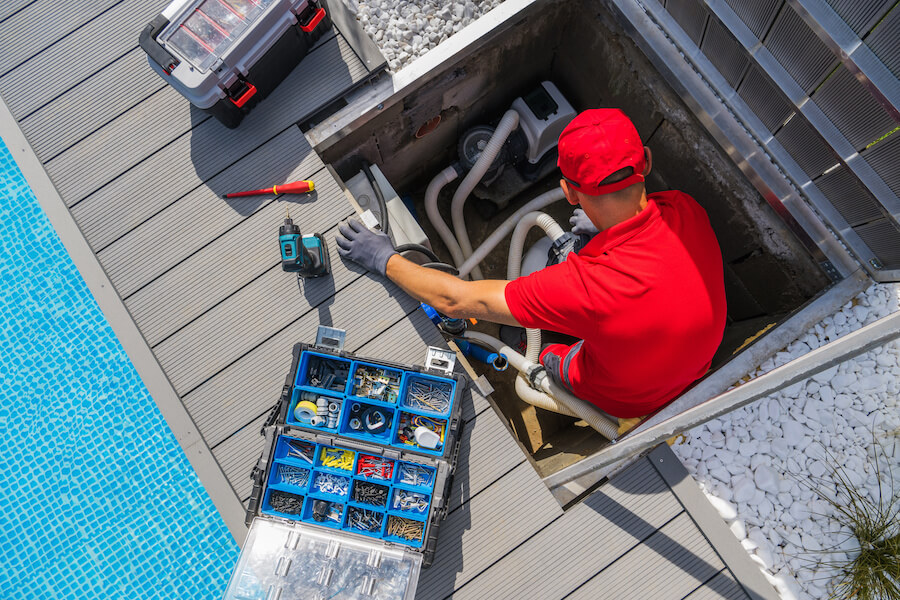
How much does it cost to maintain a swimming pool?
The main ongoing costs are:
- Energy for filtration, circulation and heating
- Chemicals and water treatment
- Pool cleaning and routine maintenance
- Equipment servicing and repairs
- Seasonal opening and closing for outdoor pools
- Water and filter maintenance
- Specialist inspections for commercial facilities
The cost of maintaining a swimming pool is also linked to the choices made when it is installed. An efficient filtration system, suitable heating system and quality cover can reduce monthly expenses for years.
Commercial swimming pool costs
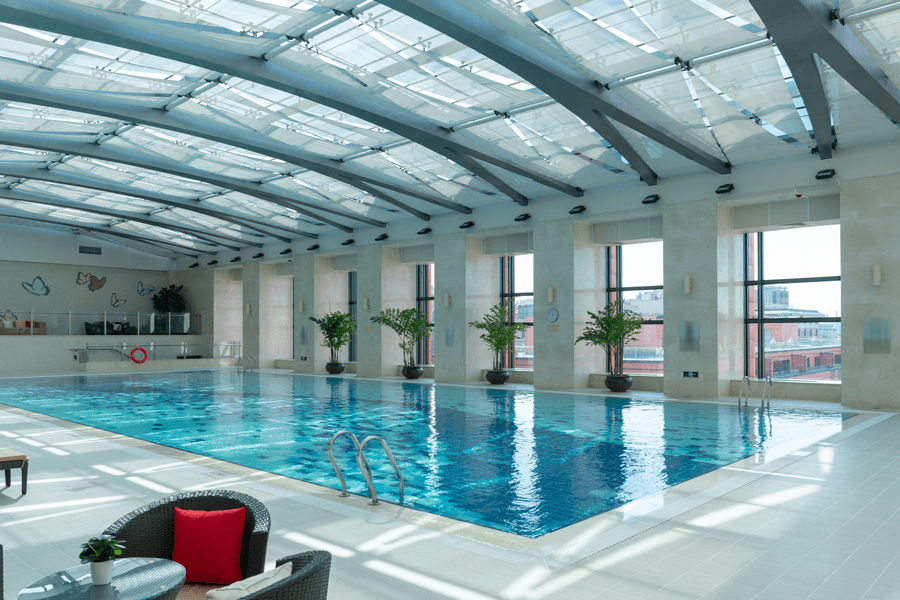
Commercial pool maintenance is different from looking after a private swimming pool. Hotels, holiday parks, gyms, schools and leisure centres can have higher bather loads and longer operating hours, increasing demand on heating, filtration, chemical dosing and plant equipment.
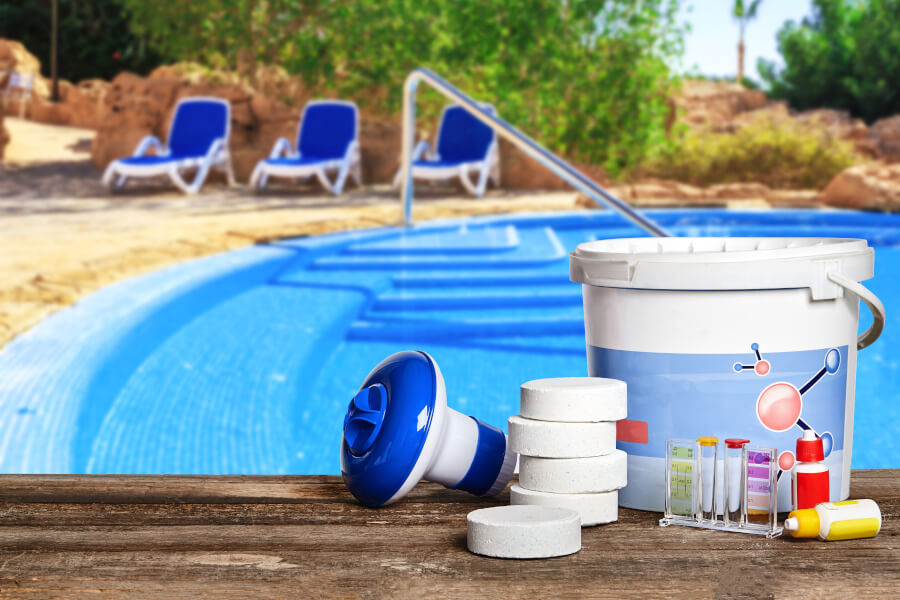
Chemicals and water treatment
Chemical management is an essential ongoing cost of running a commercial swimming pool.
A chlorine pool needs careful control of disinfectant levels and pH. More swimmers mean more organic contamination entering the water, increasing chlorine demand.
A commercial pool will typically spend hundreds to several thousand pounds a year on chemicals, depending on pool volume, usage, water treatment equipment and operating hours.
At Signature Pools, we supply commercial pool chemicals and can arrange bulk deliveries. We also supply and maintain automatic dosing systems that continuously monitor water chemistry and make controlled adjustments.
Typical frequency: water chemistry should be monitored routinely, with automated systems operating continuously. Commercial water testing should follow the requirements applicable to the facility.
Energy and heating
Heating is often one of the biggest pool costs.
Commercial pools may need to remain around 28°C-30°C or higher depending on their use. Indoor pools also require environmental control because both the water and surrounding air need to be managed.
Poor insulation, evaporation, inefficient pumps and outdated heating equipment can all increase energy consumption.
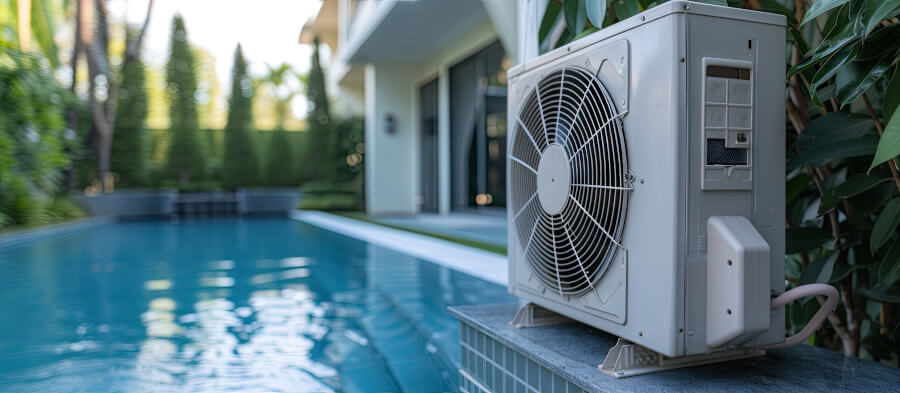
Our range of heating systems is designed to be energy efficient, remaining affordable to run but also high-performance and sustainable. These include commercial heat pumps, heat exchangers and associated plant room equipment.
Most swimming pool heat loss actually occurs through surface evaporation, and therefore a specialist heat retention cover, as well as your chosen heat source, is recommended.
Typical frequency: heating operates whenever required. Plant and heating systems should be inspected regularly, with detailed servicing scheduled according to the equipment and operating conditions.
Filtration and circulation
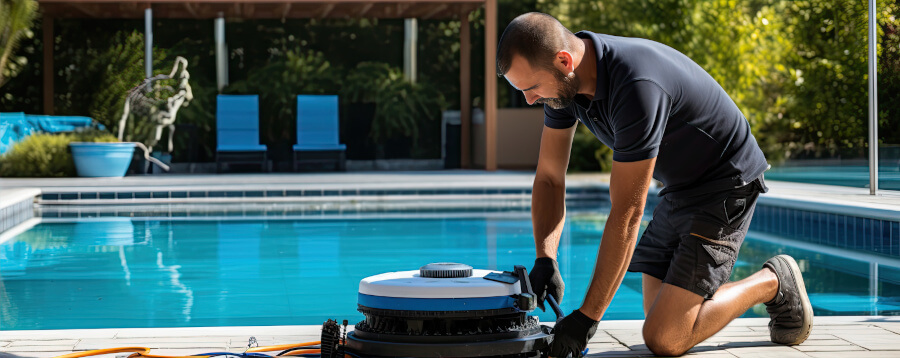
A swimming pool filtration system keeps water moving through treatment equipment so contaminants can be removed before the water returns to the pool.
You may notice the sand filter, traps particles, keeping your filtration system clean. Over time, this media requires cleaning and eventual replacement.
Circulation pumps are another significant energy user. We often refer to a 2025 by Sage Journals study of 6,433 non-domestic swimming pools in England estimated annual electricity use for pool water circulation at 369,000 MWh, costing around £100 million. The research found recognised interventions could reduce circulation costs by up to 70% in some circumstances.
Typical frequency: pumps and filters should be checked routinely. Commercial plant rooms may require monthly or quarterly servicing depending on the facility.
Professional servicing and repairs
A commercial pool cannot afford to wait for equipment to fail.
Pump seals, valves, dosing equipment, filters, heating equipment and pipework all need attention throughout their working lives. Small faults can become expensive repairs if left unresolved.
Commercial maintenance visits can range from several hundred pounds upwards depending on the facility and work involved. Operators should also consider the cost of downtime and emergency repairs.
We’re usually known for supplying and installation swimming pools, but we also help to maintain them. Whether it’s a one-off visit, plant room inspection, equipment servicing, leak detection of your own tailored maintenance package, we have a specialist repair unit.
Typical frequency: routine servicing can be monthly, quarterly or structured around the facility.
Water testing and compliance
Water quality is fundamental to commercial pool operation.
Commercial operators therefore need to budget for appropriate testing, record keeping and water management.
We provide bacterial water analysis, water sample collection and UKAS-accredited laboratory testing as part of our commercial support. Choose this and you’ll be aware of any issues before they arise.
Typical frequency: routine testing and monitoring should form part of the pool’s operating procedures, with laboratory testing carried out at the required intervals.
Is a swimming pool maintenance contract worth it?
For most residential pool owners and commercial operators, a maintenance contract can make financial sense when compared with the cost of emergency repairs.
Regular visits identify equipment faults, chemistry problems and leaks earlier. Commercial clients also benefit from documented maintenance, professional water management and reduced operational disruption.
Residential swimming pool maintenance costs
A private pool usually has fewer swimmers and shorter operating hours than a commercial facility, meaning lower chemical, energy and servicing costs.
Our professional maintenance services vary in cost, depending on visit frequency and what is included. The best way to get a full understanding of the cost is to get in touch on 01626 333414. Homeowners should check whether chemicals, cleaning, equipment checks and call-outs are included.
Chemicals can cost roughly £200-£800 a year, depending on pool size, usage and treatment method.
Heating remains the major variable.
A heat pump can be considerably more efficient than direct electric heating. Actual running costs depend on surface area, water temperature, weather, electricity tariff, insulation and how effectively heat loss is controlled.
A thermal cover is also important. It reduces evaporation and helps retain heat when the pool is not in use.
Indoor vs outdoor pool running costs
The location of your pool changes the shape of your running costs.
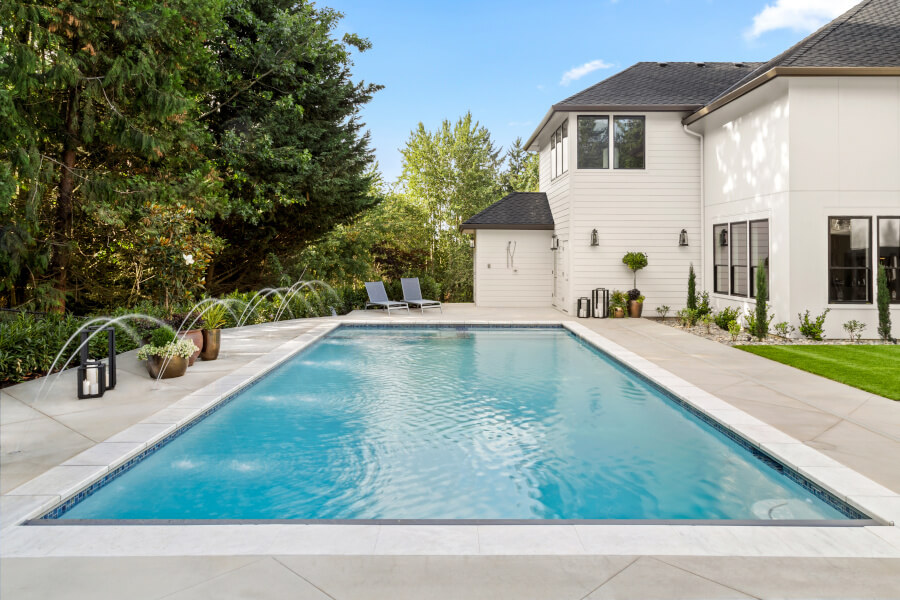
Outdoor pools typically have:
- Seasonal heating requirements
- Greater exposure to wind, rain and debris
- More evaporation
- UV exposure affecting water treatment
- Seasonal opening and closing costs
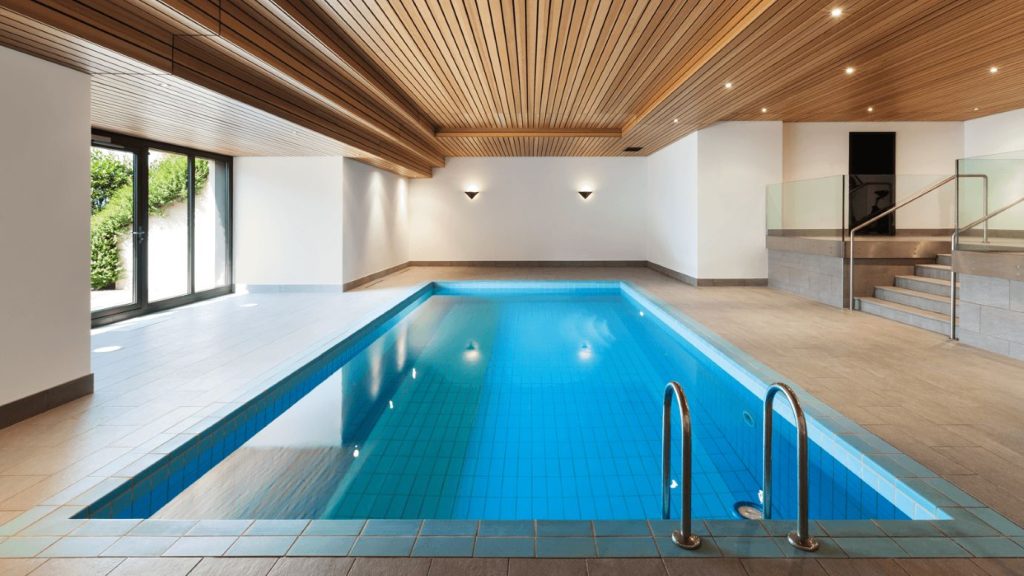
Indoor pools typically have:
- Year-round heating requirements
- Heating costs for water and surrounding air
- Ventilation requirements
- Greater humidity management needs
- More consistent monthly energy expenditure
Poor ventilation can allow excessive humidity to affect the surrounding building and equipment, making effective environmental control an important part of indoor pool maintenance.
What factors drive pool maintenance costs up?
Several factors can push pool maintenance costs above typical ranges.
Pool size and surface area: More water requires more energy and chemicals. A larger surface area can also increase heat loss.
Usage: More swimmers mean more contaminants entering the water and greater demand on filtration and water treatment.
Heating: Keeping water warm requires energy, particularly over a longer swimming season.
Pool type: Concrete pools, liner pools and one-piece pools have different maintenance considerations. The finish, age and condition of the pool walls and pool floor can also affect long-term costs.
Equipment age: Older pumps, heating systems and filtration equipment can consume more energy or become less reliable.
Water balance: Poor pH and chlorine management can contribute to cloudy water, scaling, corrosion and equipment or surface damage.
Leaks: A small leak can become a significant problem if left undetected. We provide leak detection services to help identify potential issues before they become more serious.
How can you reduce swimming pool maintenance costs?
The best savings often come from preventing wasted energy, chemicals and water rather than cutting back on essential maintenance.
Use a quality thermal cover
A cover helps reduce evaporation and heat loss when the pool is not being used, particularly for heated outdoor pools.
Choose an efficient heat pump
An air source heat pump can provide an efficient method of heating a swimming pool. The right system depends on the pool, operating requirements and site conditions.
Maintain the filtration system
A correctly maintained filtration system can operate efficiently while helping to protect water quality.
Keep water chemistry balanced
Correct pH and chlorine levels help maintain water clarity and hygiene while reducing the risk of damage to the pool and equipment.
Consider automatic dosing
Automatic dosing systems monitor key chemical levels and introduce measured quantities when required. This can provide more consistent water treatment while reducing over-dosing or under-dosing.
Schedule preventative maintenance
Waiting for a pump, heater or dosing system to fail is rarely the cheapest approach. Regular inspections allow developing problems to be identified and repairs planned.
Seasonal opening and closing costs
If you plan to use your pool seasonally, opening and closing can both carry associated costs should you choose to hire the professionals to manage this on your behalf.
A professional pool opening may cost in the low hundreds of pounds, depending on the pool and work required. Winter closing can fall within a similar range, with more complex pools costing more.
Opening normally involves:
- Removing and checking the cover
- Cleaning the pool
- Checking filtration and circulation equipment
- Testing and balancing the water
- Checking heating equipment
- Preparing the pool for regular use
Closing involves winterisation, cleaning, chemical treatment and protecting the system against colder weather.
Commercial pools are different. Many operate throughout the year, replacing seasonal shutdowns with planned maintenance periods for filter work, plant room servicing and deep cleaning.
Why trust Signature Pools for regular swimming pool maintenance?
At Signature Pools, we have been designing, constructing and maintaining swimming pools since 2008. We are a family-run business serving residential and commercial clients across the South West, including Devon, Cornwall, Somerset, Dorset, Bristol and South Wales.
We understand that no two pools have identical maintenance requirements. Pool size, usage, heating, filtration, water treatment and the surrounding environment all affect the right maintenance schedule.
For commercial clients, we regularly work with hotels, holiday parks, fitness centres, leisure centres, schools, gyms, spas and specialist facilities. Our services include maintenance, plant room refurbishment and repairs, heating and ventilation, automatic dosing, chemical supply, water testing, leak detection and specialist confined-space maintenance.
We are members of SPATA and BISHTA and have experience supporting facilities where reliable pool operation is essential.
For homeowners, we also provide servicing, maintenance, refurbishment and technical support to help keep a residential swimming pool in good condition.
The real cost of pool ownership is not simply the price of chlorine or electricity. It is the combined cost of energy, water treatment, equipment, servicing and the decisions made throughout the life of your pool.
Get those fundamentals right from the outset and a well-designed swimming pool can remain an enjoyable, reliable part of your property for many years.
Thinking about the running costs of your pool? Speak to our team at Signature Pools on 01626 333414 or contact us to discuss your pool, maintenance requirements and the most appropriate approach for your property or commercial facility.